Recipe at a glance
- Estimated yield: 4 servings
- Prep: about 10 minutes
- Cooking: about 10 minutes
- Additional time: about 0 minutes (resting, rising, chilling or freezing, where required)
- Total: about 20 minutes
Times and yields are planning estimates, not results from a documented kitchen test. Follow the texture and temperature checks in the method; optional overnight rests take longer. Measurements use US cups and spoons unless stated otherwise.
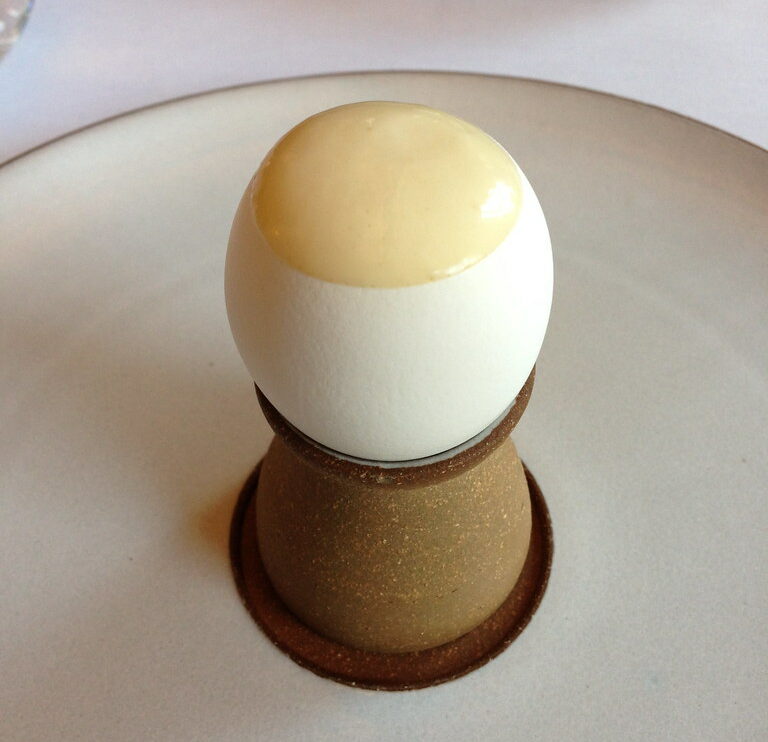
Zabaglione, also known as zabaione or sabayon, is a classic Italian dessert made with egg yolks, sugar, and sweet wine. Here’s a simple recipe for making zabaglione at home:
Ingredients
- 4 pasteurized egg yolks
- 1/3 cup of sugar
- 1/2 cup of sweet Marsala wine
- Fresh berries or other fruit, for serving
Instructions
- Fill a saucepan with about an inch of water and bring it to a simmer over medium heat.
- In a large heatproof bowl, whisk together the egg yolks and sugar until well combined.
- Add the Marsala wine to the egg yolk mixture and whisk to combine.
- Place the bowl over the saucepan of simmering water, making sure the bottom of the bowl doesn’t touch the water.
- Whisk the mixture constantly for about 5-8 minutes, or until it thickens and forms soft peaks.
- Remove the bowl from the heat and continue whisking for another minute or two to cool it down slightly.
- Divide the zabaglione among serving dishes, and serve immediately with fresh berries or other fruit.
Optional: You can also add a pinch of cinnamon or nutmeg to the zabaglione for added flavor.
Enjoy your homemade zabaglione as a delicious and elegant dessert!
Use eggs labeled pasteurized and suitable for uncooked or lightly cooked dishes. Keep egg mixtures refrigerated until needed; serve promptly. Read the food-safety guidance.
Storage and serving
Prepare only what you need and serve immediately. This delicate egg preparation is best made fresh; discard unused portions after service. Limit perishable food to two hours out of refrigeration, or one hour above 90°F (32°C). Food-safety guidance.
Sources and further reading
Editorial update: October 23, 2026. Ingredient and method consistency reviewed; a documented kitchen test is still needed.
